Historical Photos Are So Intense (44 pics)
Carrie Amelia Nation, a radical member of the temperance movement
When Carry Nation stepped foot into the Kiowa, Kansas bar, nobody saw what was coming. The woman, dressed in black, was on a mission from God. But as soon as she entered the saloon, all hell broke loose. She ran behind the bar, smashed the mirror and all the bottles under it; threw the cash register, threw it down; then broke the faucets of the refrigerator and cut the rubber tubes that conducted the beer. She was arrested soon after, but she didn’t mind. The bar had just gotten the Carry Nation treatment. During her years as an anti-alcohol advocate in the late 19th century, Nation built a reputation as a fearless, even unhinged reformer who would go to any length to save people from drunkenness.
1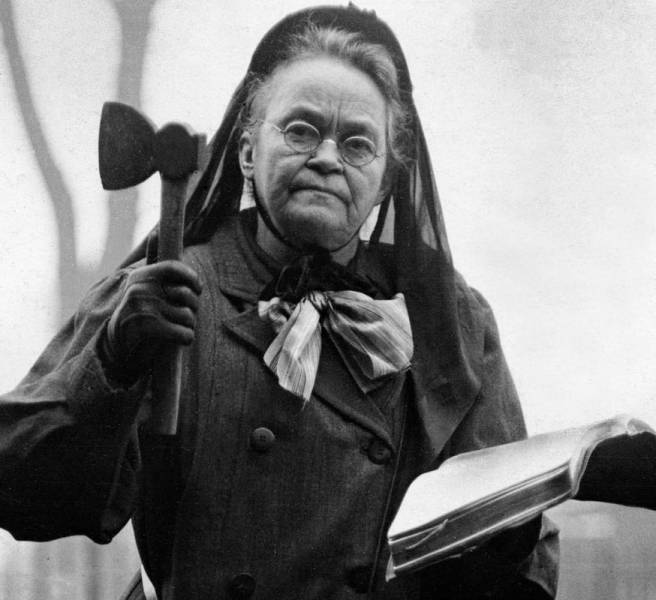
Eva Braun doing yoga by the lake Königssee, Bavaria, 1942
2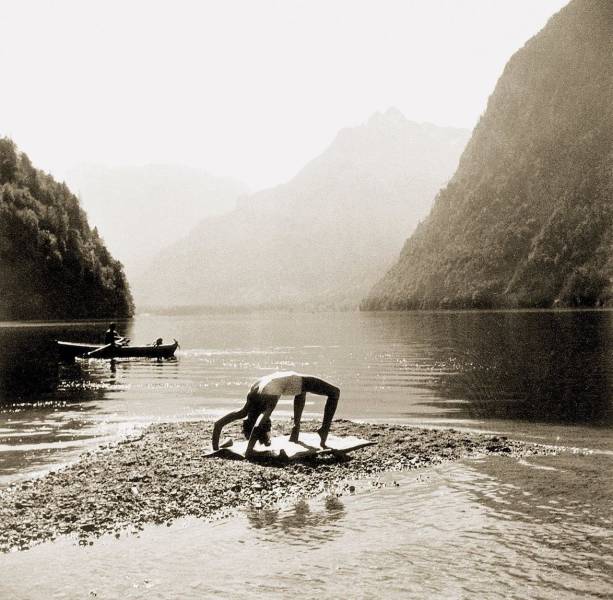
Children in bomb-shelter trenches during the Blitz, England, c. 1941
3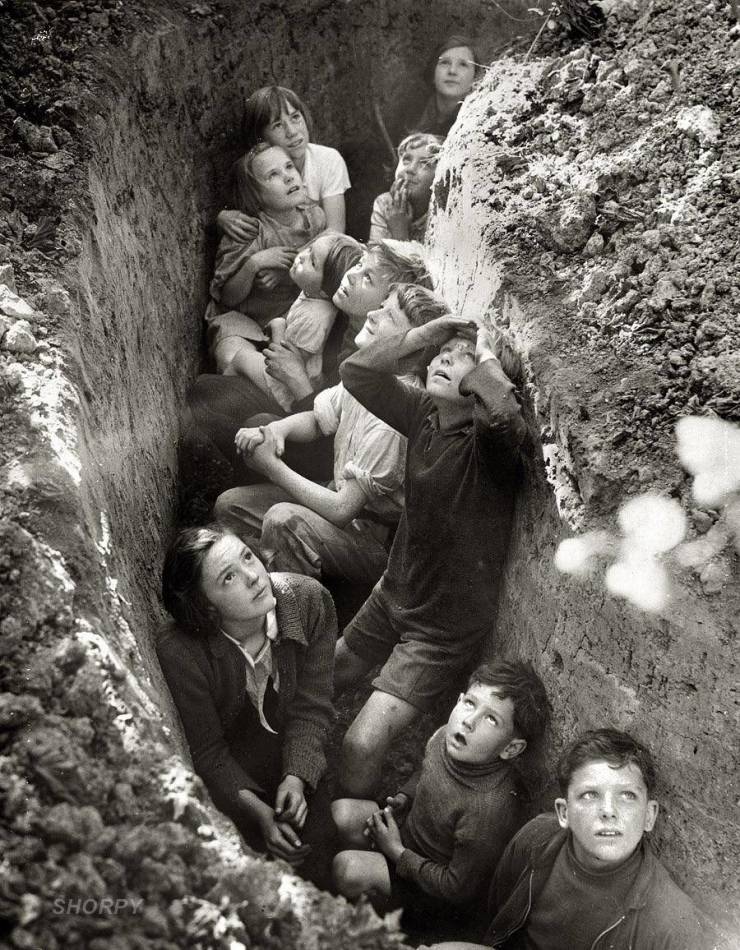
A young woman of the Ouled Naïl tribe, Algeria, circa 1905
4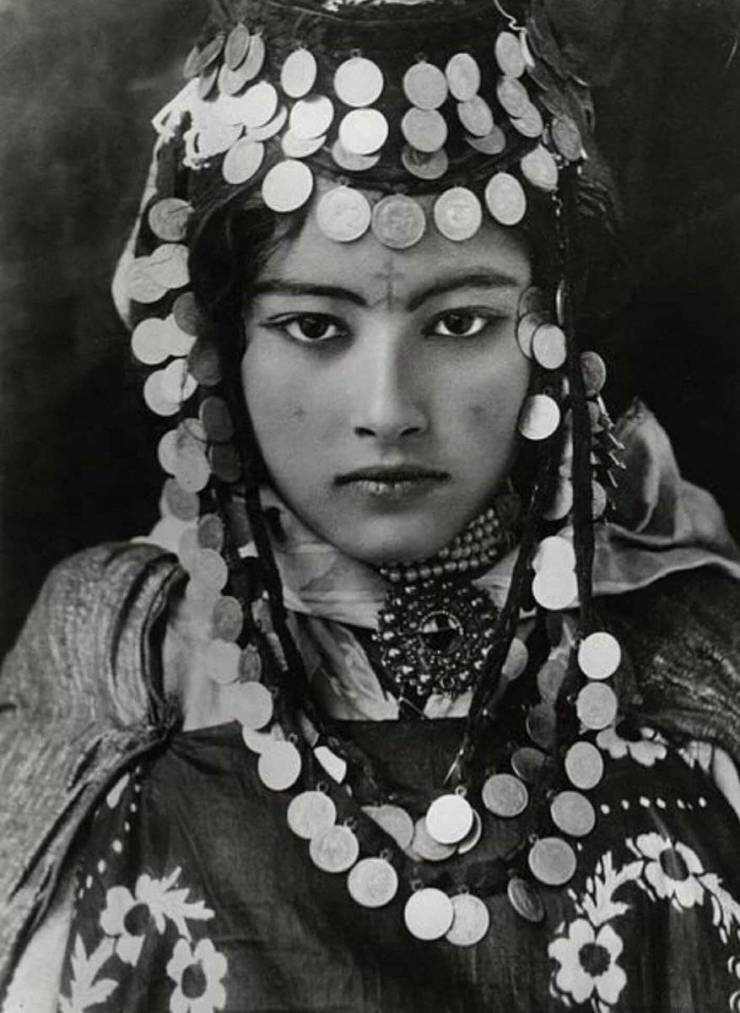
US officer at basment of Nuremburg castle next to the 500 years old statutes robbed by Nazis from Krakow’s St. Mary Cathedral, 1945
5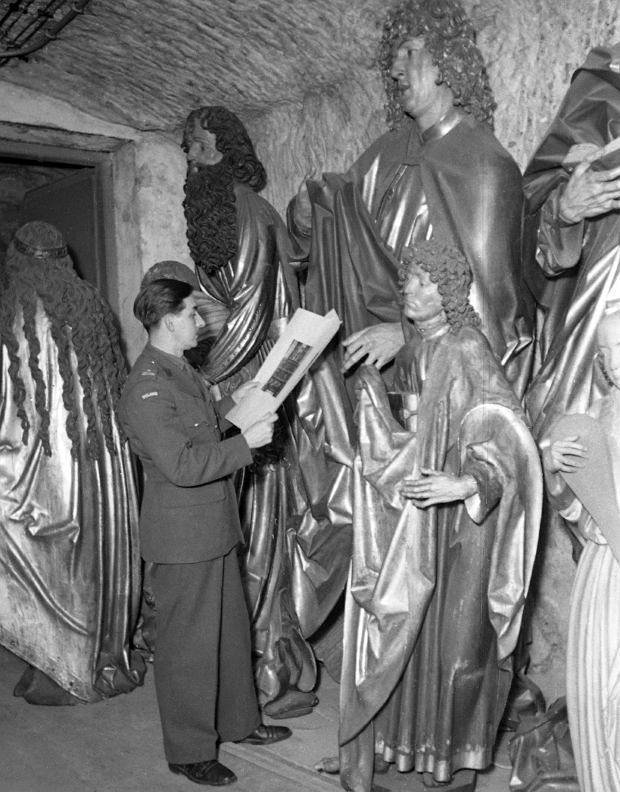
Lucille, a Dakota Sioux woman, December 26, 1907
6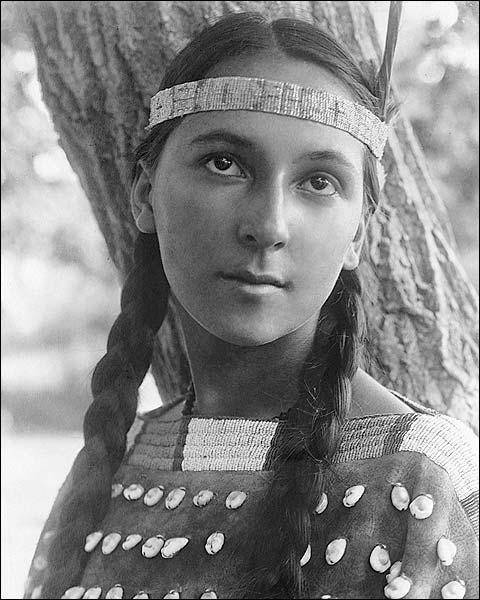
Christmas packages destined for soldiers who have been killed or reported missing in action await “return to sender” stamps. New York City, 1944
7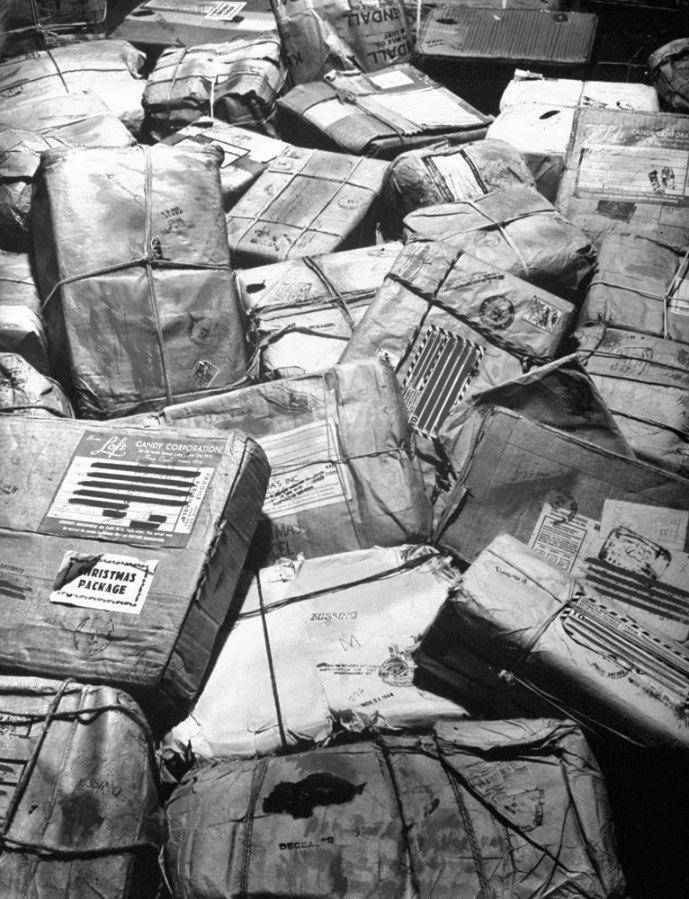
Samurai wearing hon iyozane dō, 1870
8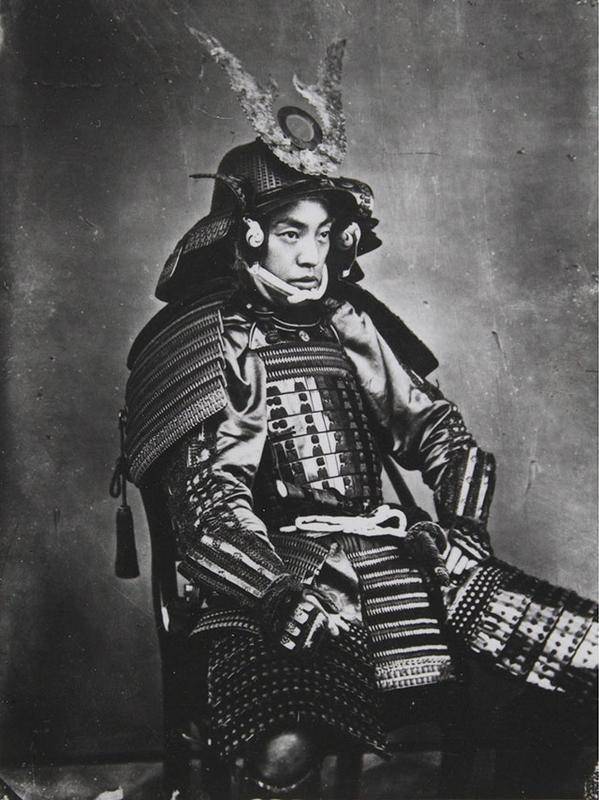
Margaret Gorman, the first Miss America, 1921
9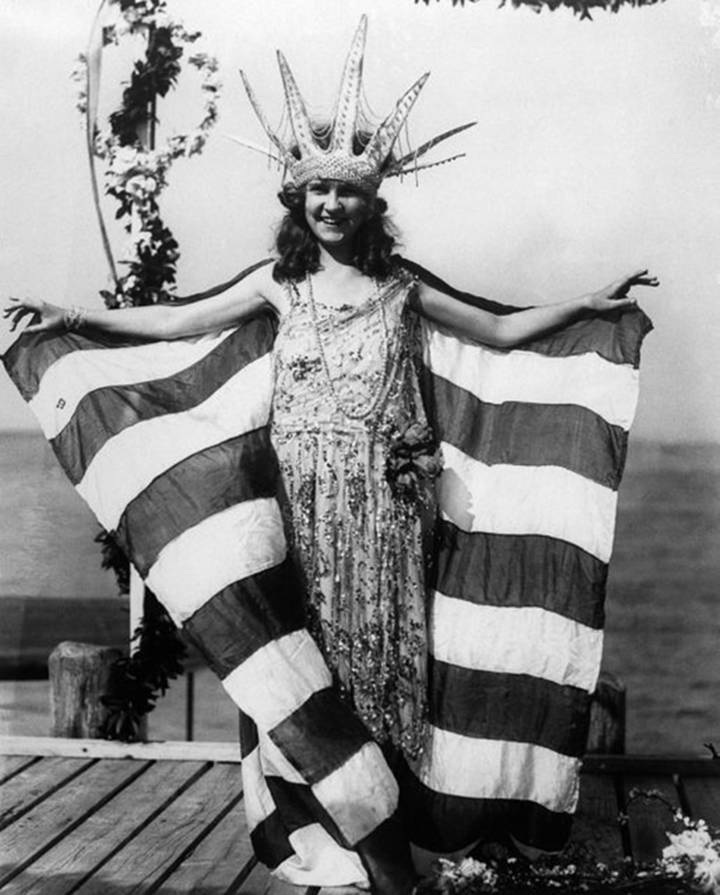
Explorer Sir Ernest Shackleton’s ship, the Endurance, illuminated by more than 20 flashes for a photo while trapped in an ice pack on the Weddell Sea during a doomed expedition to Antarctica – August 27, 1915
10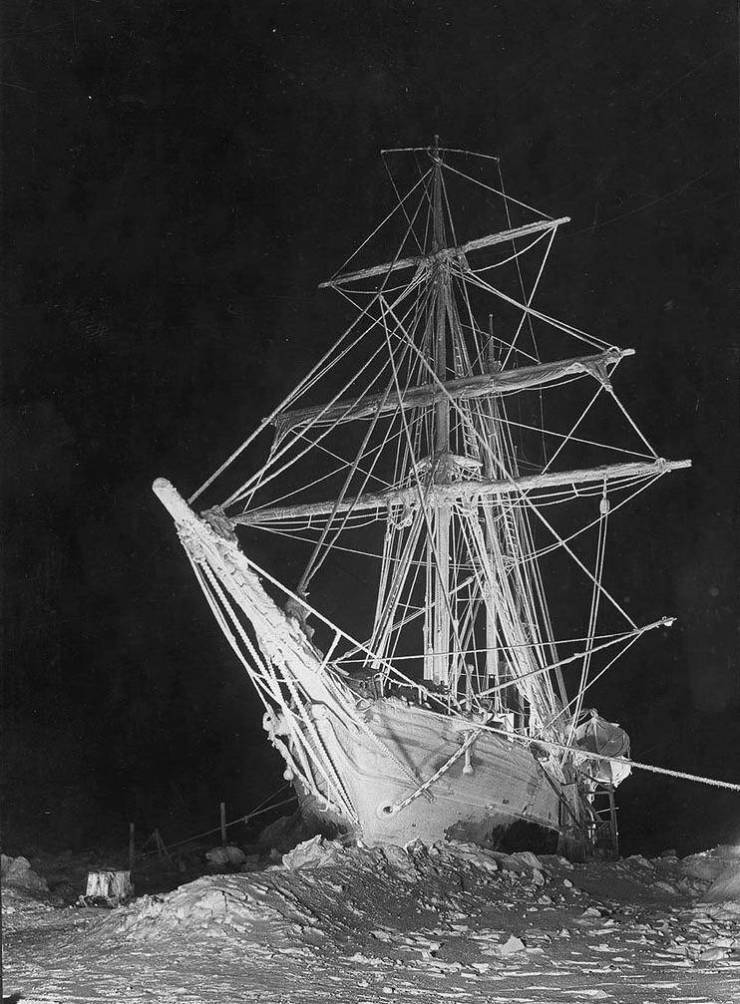
A Chinese immigrant family in Oregon, 1890s
11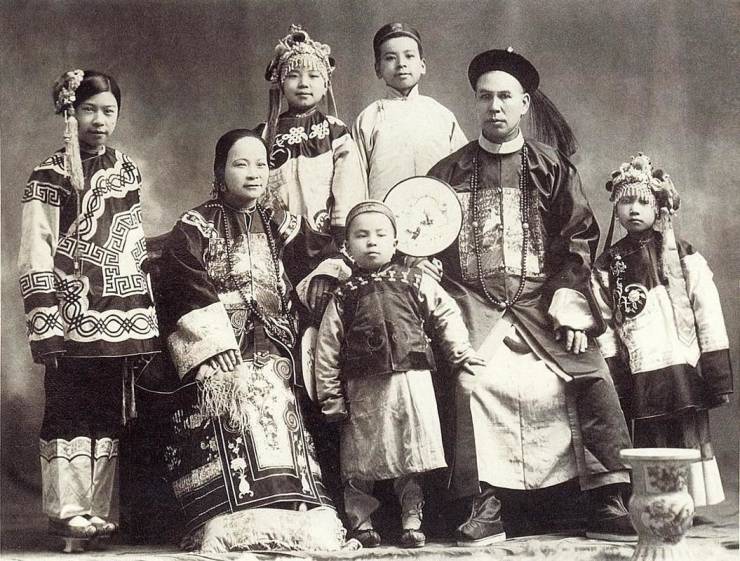
Woodward coal breakers, Kingston, Pa 1895
12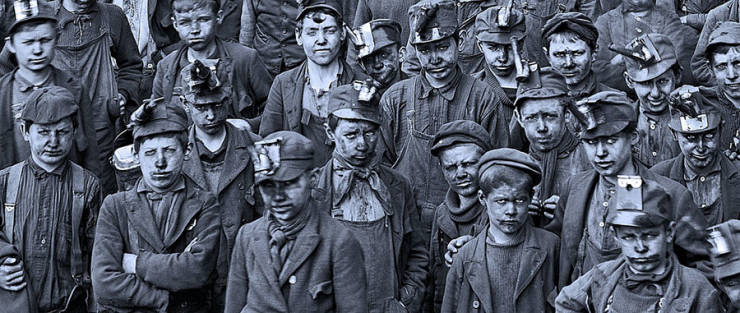
Last known photo of a Barbary lion in the wild. Atlas Mountains of North Africa, 1925
13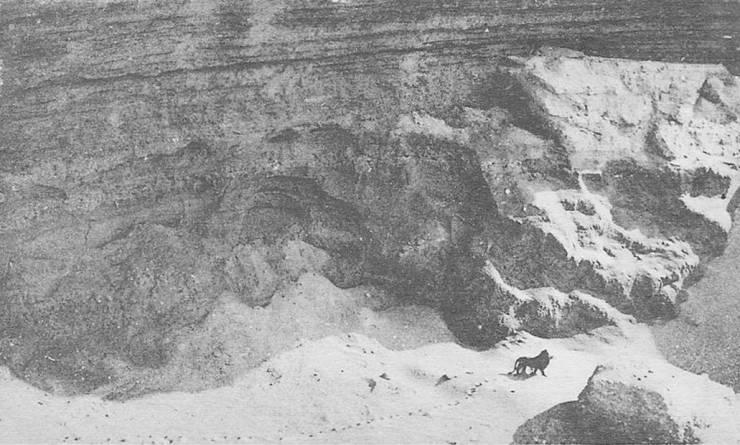
Circus strongwoman Katie Sandwina aka the Lady Hercules holding up three men 1900’s
She is said to have once defeated the famous strongman Eugene Sandow in a weightlifting contest in New York City. Katie lifted a weight of 300 pounds over her head, which Sandow only managed to lift to his chest. After this victory, she adopted the stage name “Sandwina” as a feminine derivative of Sandow.
14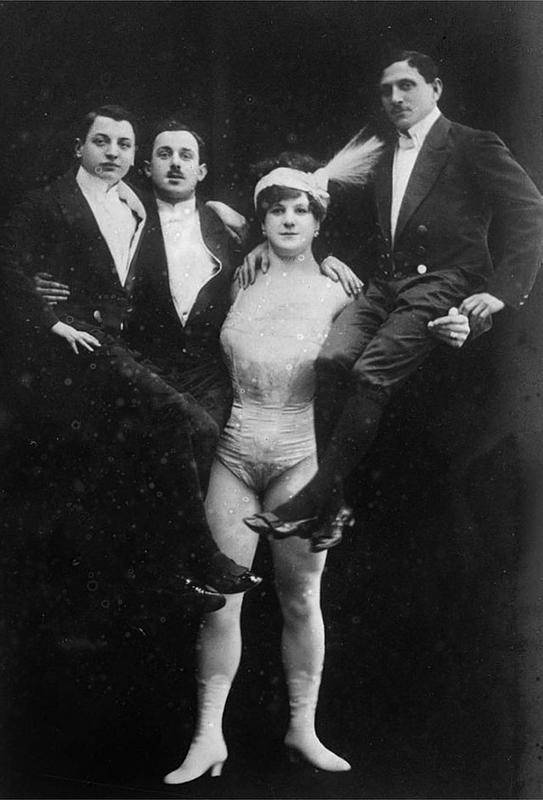
The 18th Amendment to the U.S. Constitution, prohibiting the “manufacture, sale, or transportation of intoxicating liquors for beverage purposes,” is ratified, Januray 16, 1919
The movement for the prohibition of alcohol began in the early 19th century, when Americans concerned about the adverse effects of drinking began forming temperance societies. By the late 19th century, these groups had become a powerful political force, campaigning on the state level and calling for total national abstinence. In December 1917, the 18th Amendment, also known as the Prohibition Amendment, was passed by Congress and sent to the states for ratification. Nine months after Prohibition’s ratification, Congress passed the Volstead Act, or National Prohibition Act, over President Woodrow Wilson’s veto. The Volstead Act provided for the enforcement of prohibition, including the creation of a special unit of the Treasury Department. One year and a day after its ratification, prohibition went into effect—on January 17, 1920—and the nation became officially dry. Despite a vigorous effort by law-enforcement agencies, the Volstead Act failed to prevent the large-scale distribution of alcoholic beverages, and organized crime flourished in America. In 1933, the 21st Amendment to the Constitution was passed and ratified, repealing prohibition.
15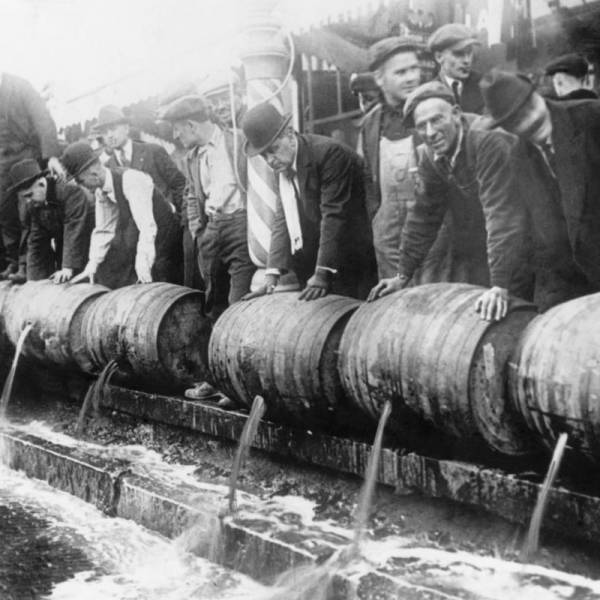
An immigrant family at Ellis Island, 1904
16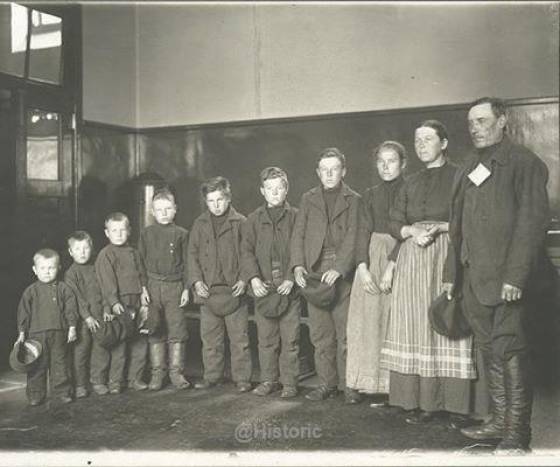
In 1877, the Nez Perce tribe was ordered to move to a reservation. The tribe refused to. Chief Joseph led them to Canada, fighting with the U.S. army over the entire 1,100 miles. Forty miles from the border, the tribe was trapped. After 5 days of fighting, the remaining 431 members of the tribe surrendered. This quote is from Chief Joseph’s surrender speech
“It is cold, and we have no blankets; the little children are freezing to death. My people, some of them, have run away to the hills, and have no blankets, no food. No one knows where they are—perhaps freezing to death.
I want to have time to look for my children, to see how many I can find. Maybe I shall find them among the dead.
Hear me, my chiefs! I am tired; my heart is sick and sad. From where the sun now stands, I will fight no more forever.”
17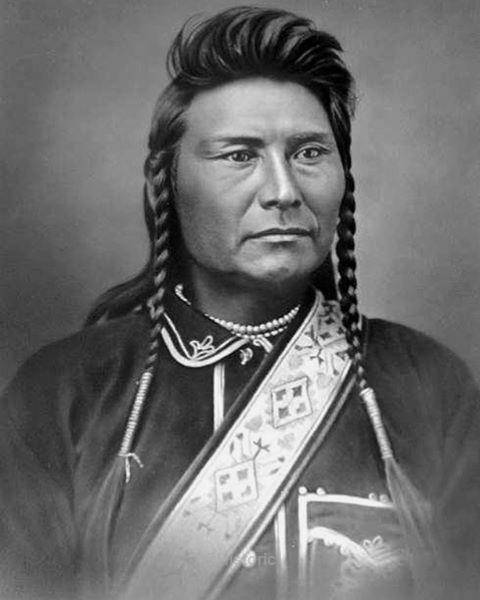
Kaw-u-tz, a Caddo Native American, 1906
18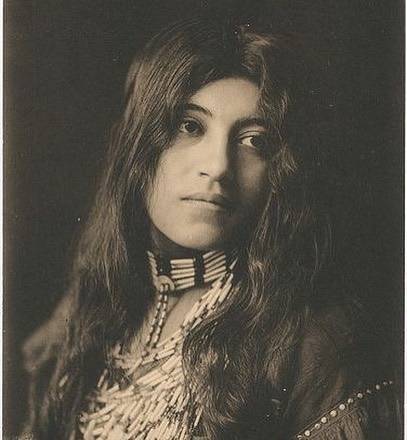
The bust of Tutankhamun being carried from the tomb in the Valley of the Kings, Egypt. Photo by Harry Burton.
19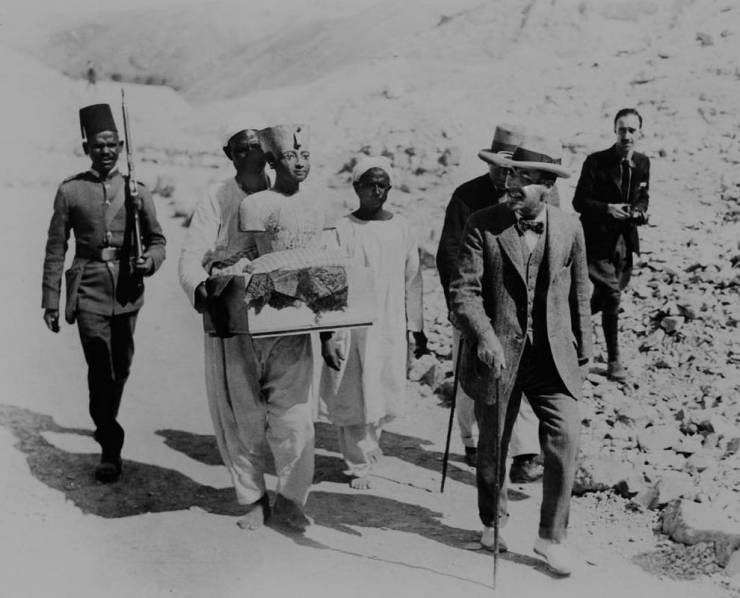
Bertha Boronda, arrested for cutting off her husband’s penis with a razor in 1907
20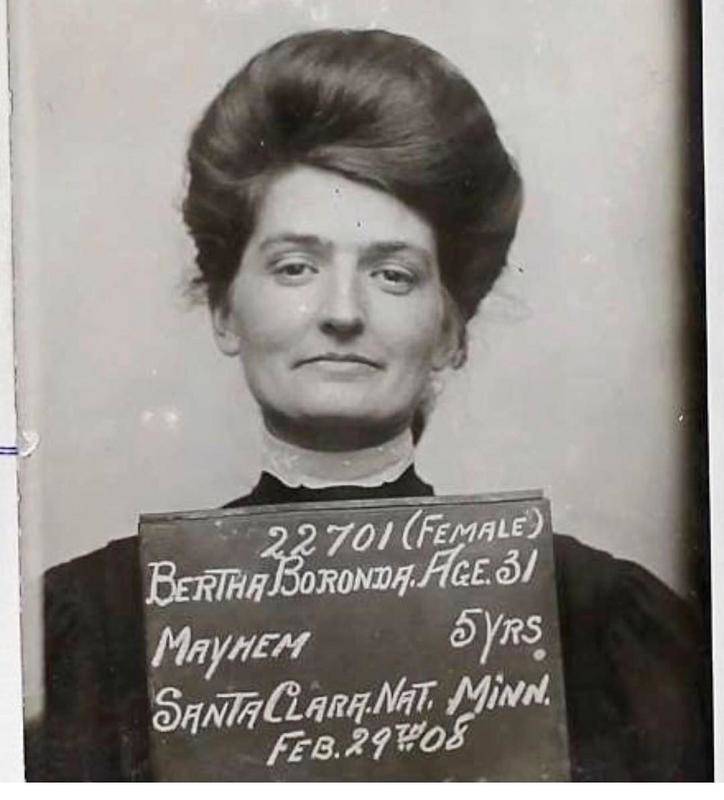
The Belgium iron “Scolds Bridle mask from the 1550’s was used to punish mainly women, speaking out against authority, nagging, brawling with neighbors or lying.
21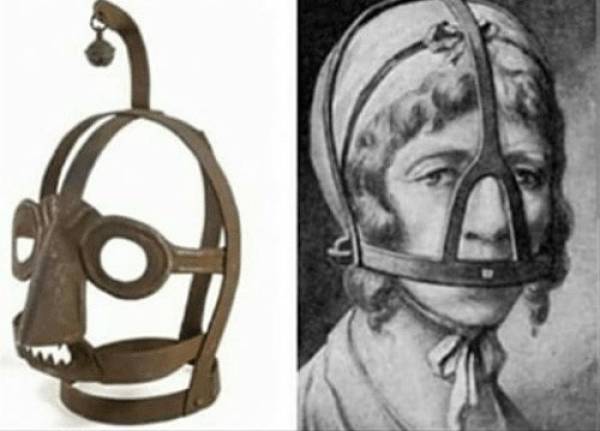
It used to be legal to send kids in the mail. In 1913 it was legal to mail children. With stamps attached to their clothing, children rode trains to their destinations, accompanied by letter carriers
22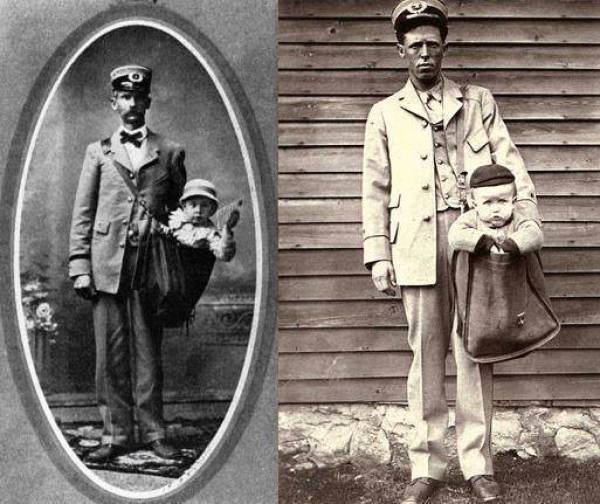
Chester McDuffee and his ADS diving suit, aluminum alloy weighing 485lbs, 1911
23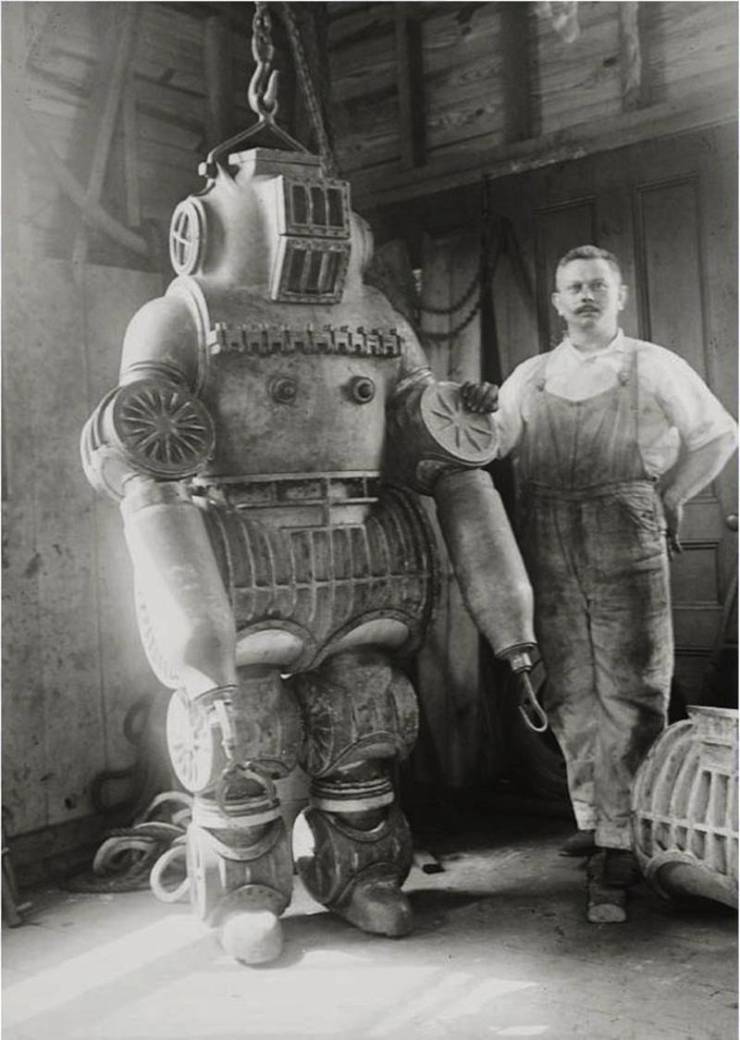
Grand Canyon photographer suspended on a rope, 1908
24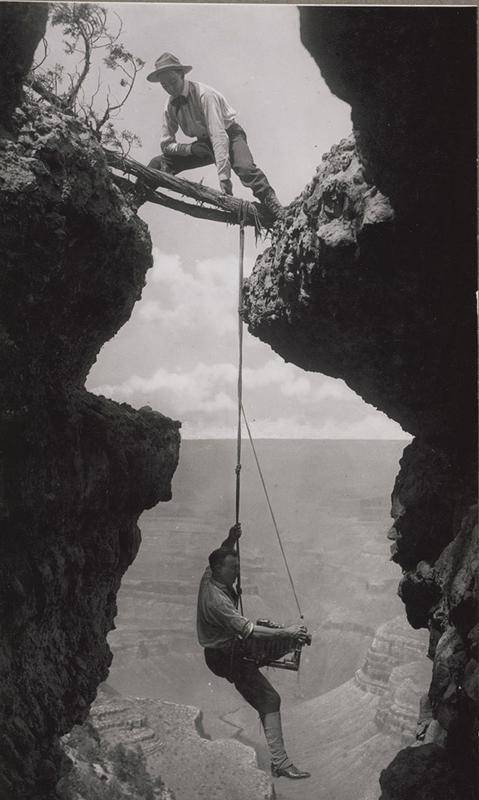
Steve and Charlie Utter at the grave of Wild Bill Hickok. Mount Moriah Cemetery, Deadwood, Dakota Territory, August 1876
25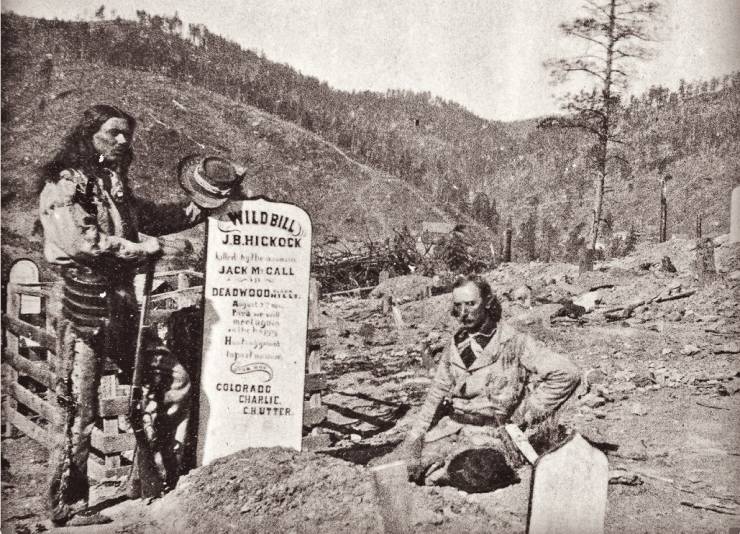
Car mechanic at work in 1919
26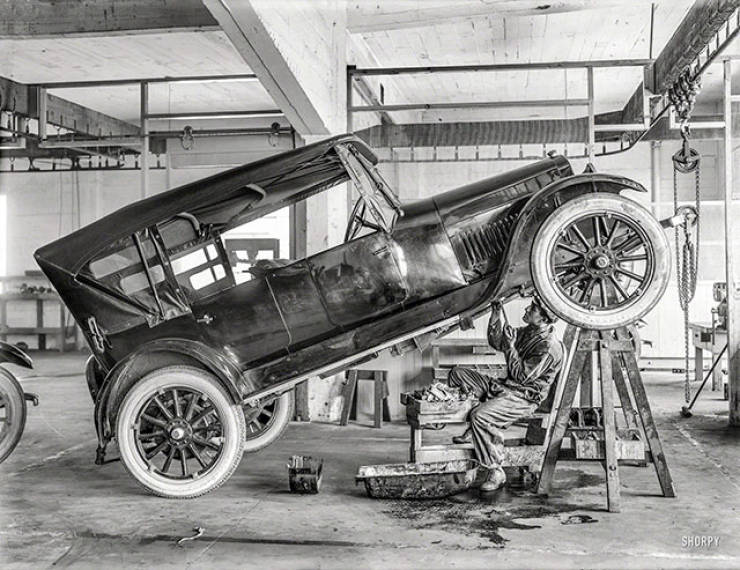 27
27 28
28 29
29 30
30 31
31 32
32 33
33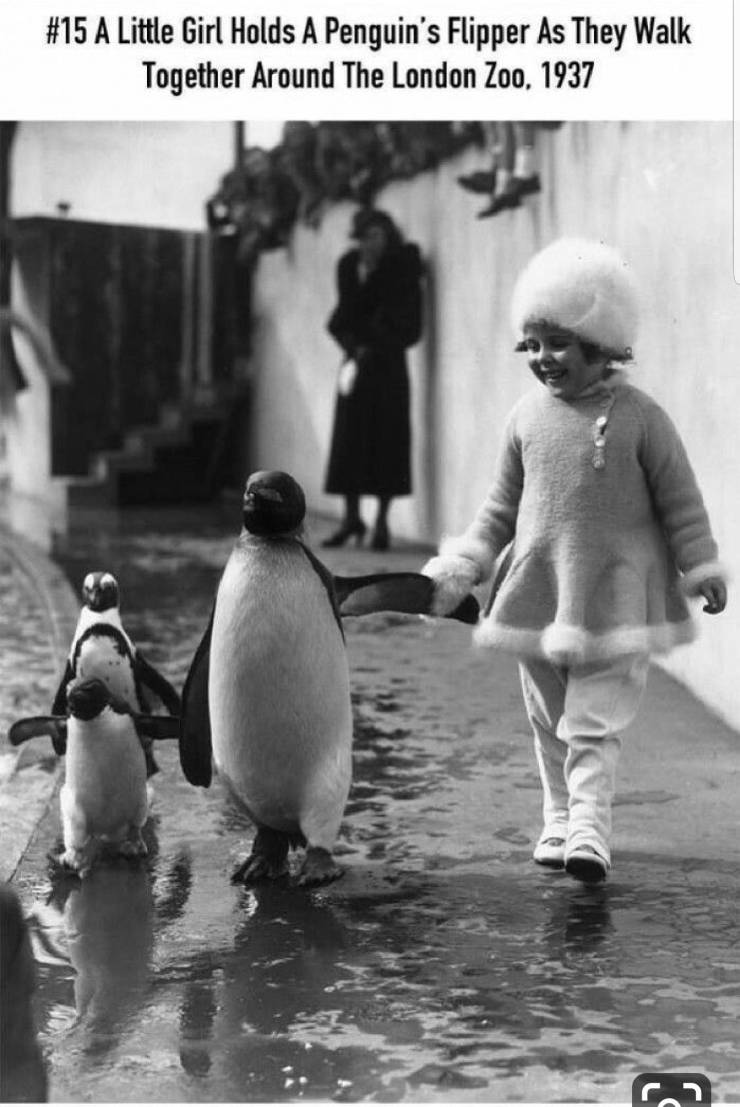 34
34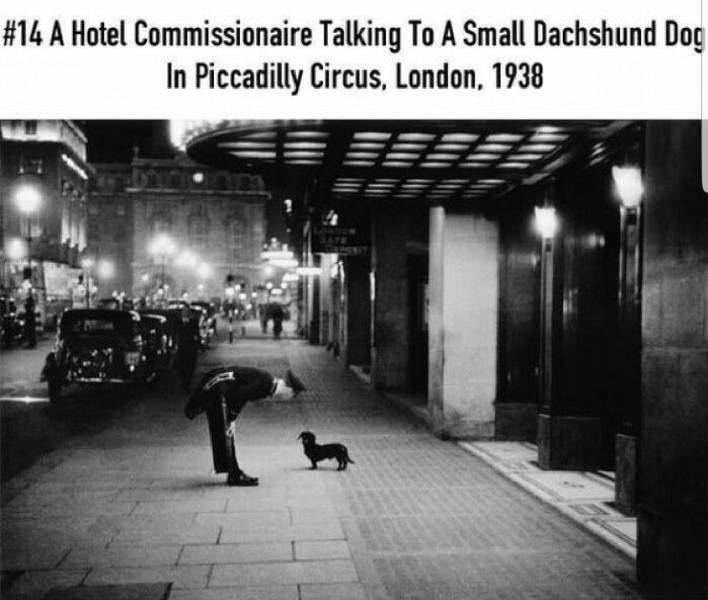 35
35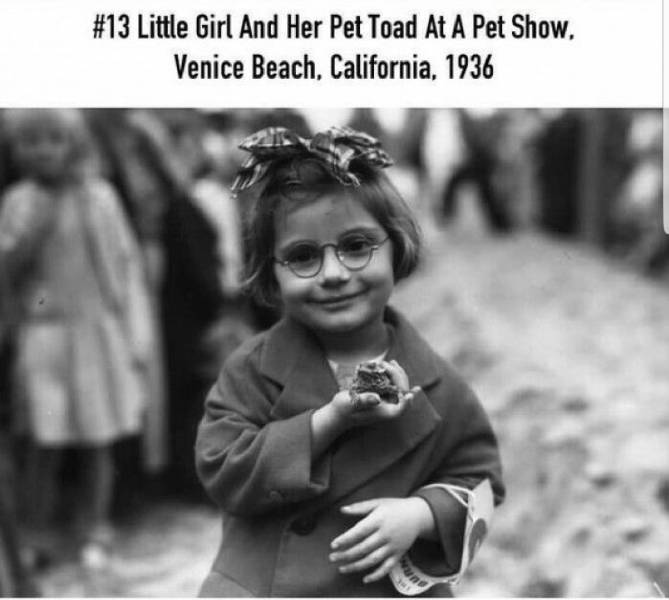 36
36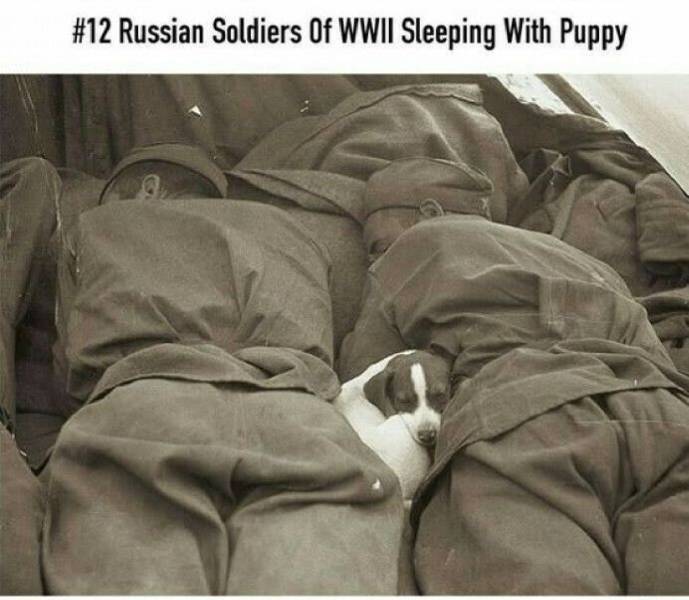 37
37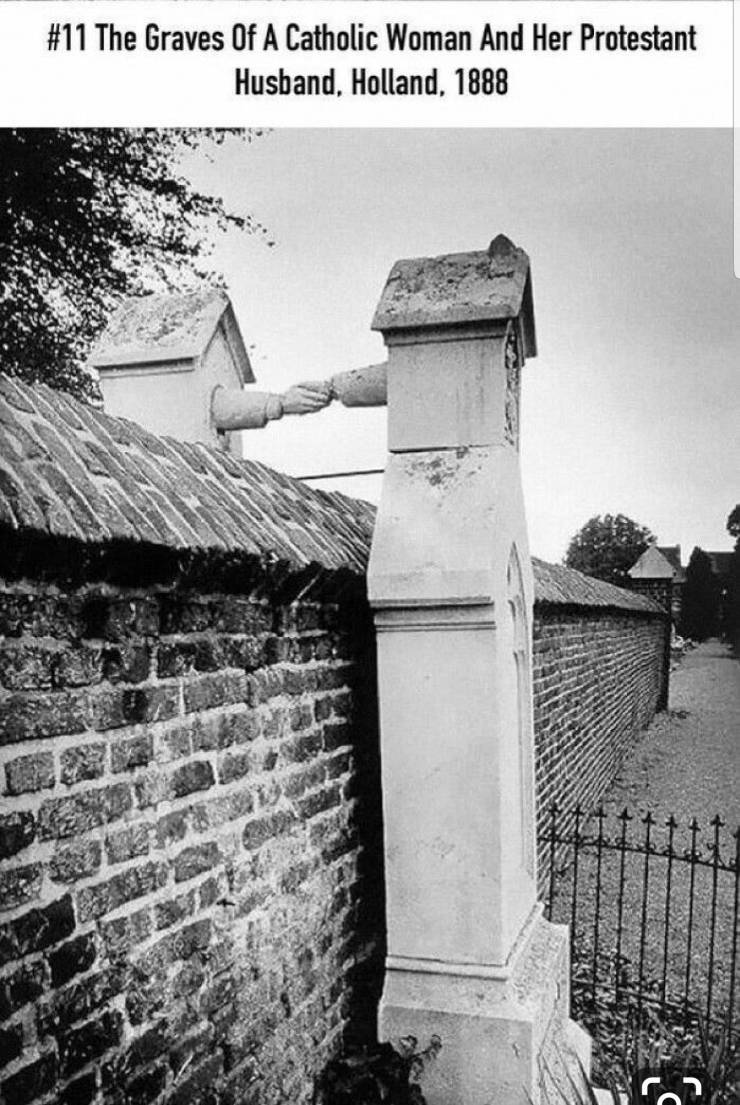 38
38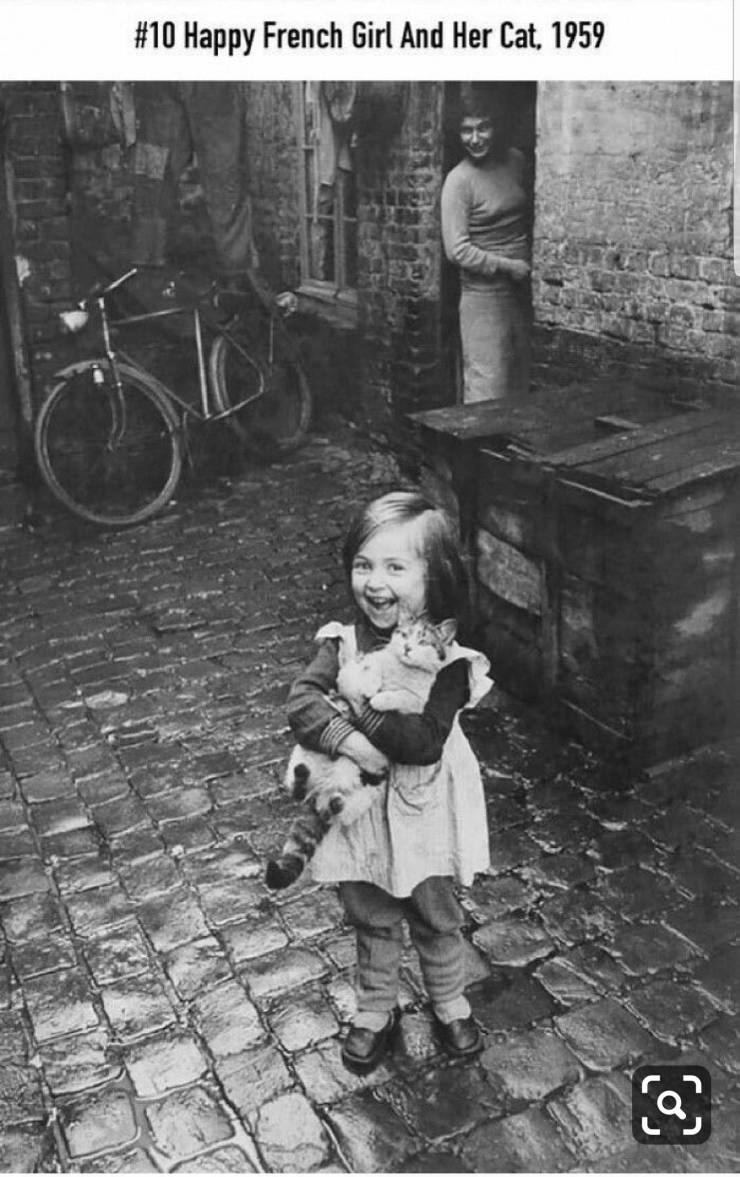 39
39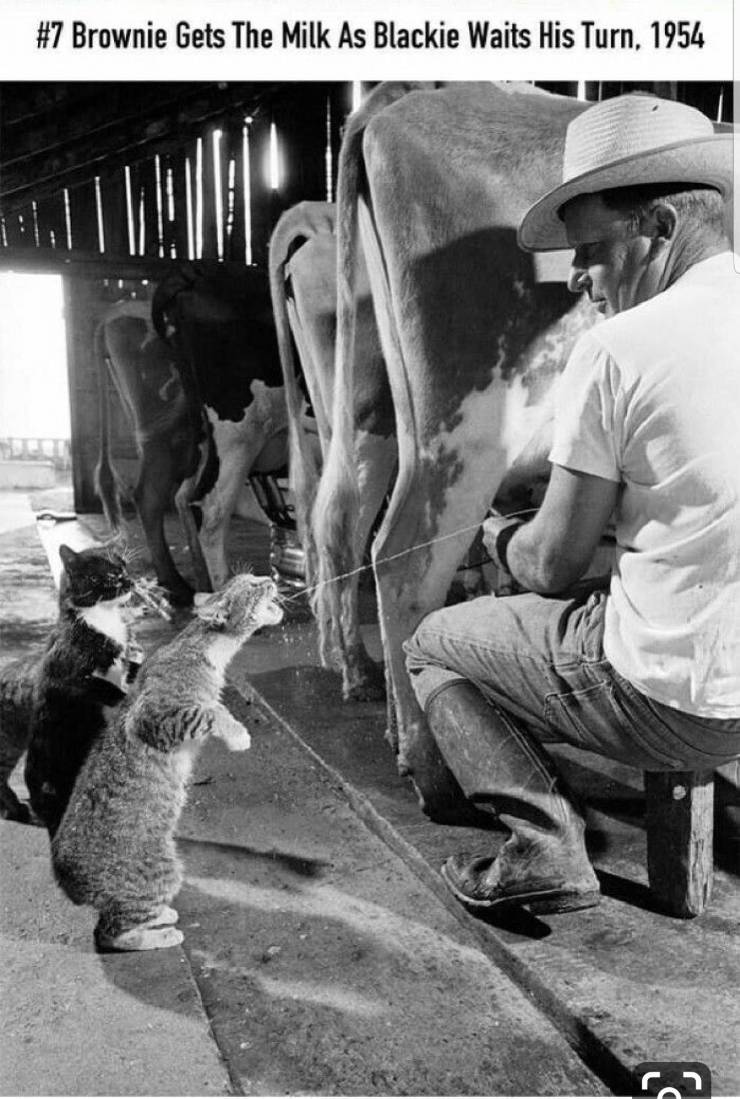 40
40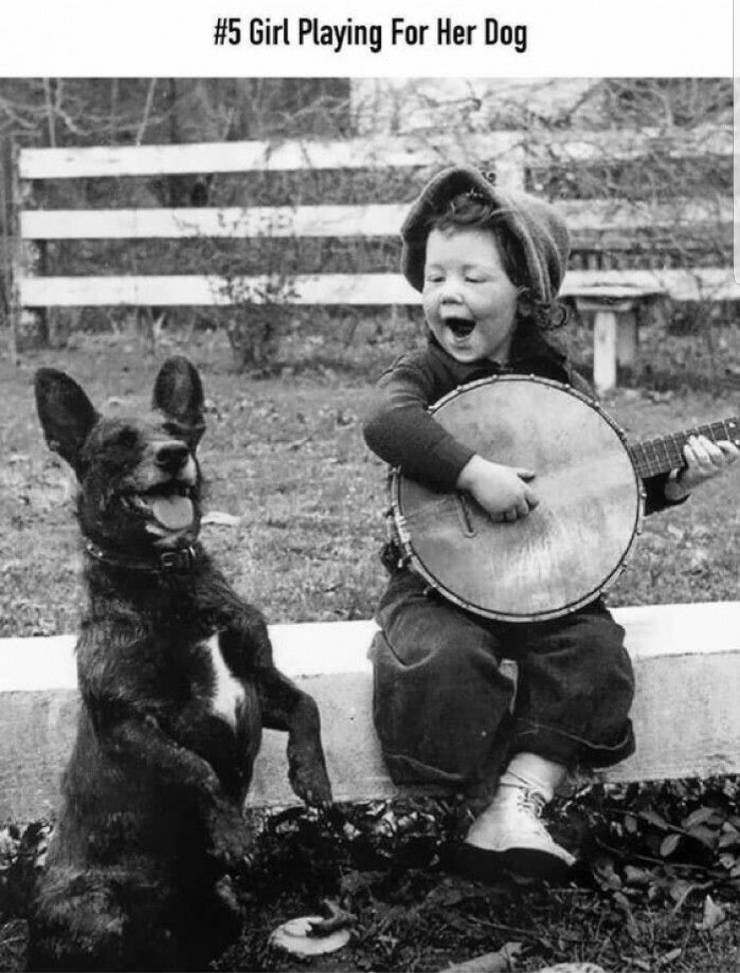 41
41 42
42 43
43 44
44
Credits: cavemancircus.com
| facebook0 twitter0 pinterest 0 |
Tags: history, intriguing, facts
from HD Wallpapers 4 u http://bit.ly/2WkkmGE
http://bit.ly/2RhYQOW http://bit.ly/2jqlqpT